



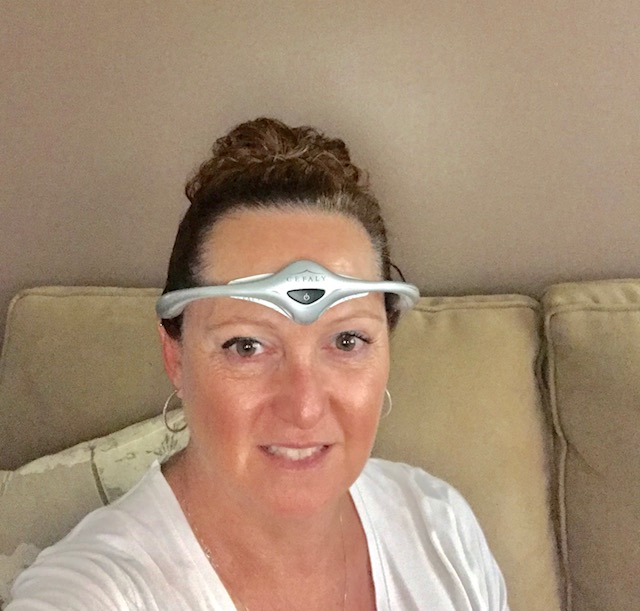
Unable to Tolerate Migraine Medication, She Turned to CEFALY: Lori’s Migraine Story
About Lori
Edad: 52
Location: Fayetteville, North Carolina
Años con migrañas: 10
Occupation: Developmental Therapist (infants/toddlers)
How long have you had migraine?
10 años
¿Cuándo aparecen las migrañas por lo general?
No hay un patrón. Aparecieron de repente cuando tenía 42 años y nunca había tenido migrañas. The severity prompted multiple neurological studies and testing including tests for TBI and MS. Initially, the first migraine was so severe it was feared it was a brain bleed.
What did you try before CEFALY?
Multiple medications. However, I experienced the MOST extreme side effects and all had to be terminated.
¿Cómo se siente cuando tiene una migraña?
Tengo náuseas, vómitos, mareos, convulsiones y desmayos, visión distorsionada, marcha inestable, incapacidad de permanecer sentada, conducir o caminar en los períodos de mayor intensidad. Tengo lesiones en el cerebro y, dado a que están en todas partes, la migraña puede surgir de cualquier punto. When I have a migraine it's very sharp, almost feels like a seizure might but within my brain. It's hard to explain.
¿Cómo se enteró de CEFALY?
My neurologist suggested it as we could not get my migraines under control with medication due to the side effects.
¿Cómo es su experiencia con CEFALY?
AMAZING. I can use it any time of day outside of my nightly use and I have been able to eliminate all meds except for promethazine, which controls the nausea during or after treatment with my CEFALY.
¿Por qué quiso compartir su historia?
Far too much emphasis is often placed on pharmaceutical options. Due to my extreme side effects with all kinds of medications-even diphenhydramine [Benedryl]-I was suffering without any end in sight. Había dejado de trabajar, me pasaba todo el día encerrada en casa, solo salía acompañada porque sufría desmayos frecuentes,y tenía migrañas que me duraban semanas. CEFALY allows me to treat the migraine at onset, but also I can use it nightly as part of my bedtime routine and often thwart the daily migraines I was having.
At the onset of my migraines my first migraine lasted 6 weeks with hospitalization. IV drugs as well as a litany of other drugs attempted to reduce or relieve the migraines, but they did not work. Había perdido las esperanzas de poder vivir sin migrañas y estaba aprendiendo a convivir con el "dolor". Algunos días eran mejores que otros, pero lo peor era esperar que me hicieran una punción lumbar, ya que eso al menos aliviaría temporalmente las migrañas por una semana o dos.
Now with my CEFALY use on a daily basis I have gone from 15-20 migraines a month to 3-5 a month with reduced intensity, and duration. También descubrí que poder utilizar el dispositivo como medida proactiva y apenas comienza una migraña me ayudó muchísimo y me da muy buenos resultados.
I am thankful each day that my neurologist looked outside of the pharmaceutical box to offer other suggestions. While at first I felt that the CEFALY was "too good to be true," after 6 months of tracking my migraines it truly went above all claims. My neurologist actually said after a year of treatment that I could be a spokesperson for CEFALY because it has worked so well for me. Because of underlying issues with my MRIs I was not a candidate for neurotoxin injections and basically was out of options before CEFALY was approved by the FDA. I was given my RX for CEFALY within weeks of the FDA approval and have benefited greatly ever since. My medical records substantiate the efficacy of CEFALY in my situation and the fact that I have gone from almost monthly neuro appointments to yearly follow ups is in itself a success story.
(Interview from 2020)



Últimas publicaciones

La guía esencial de dispositivos médicos para la migraña
CEFALY is an FDA-cleared medical device that targets the main pathway for migraine pain: the trigeminal nerve (the…
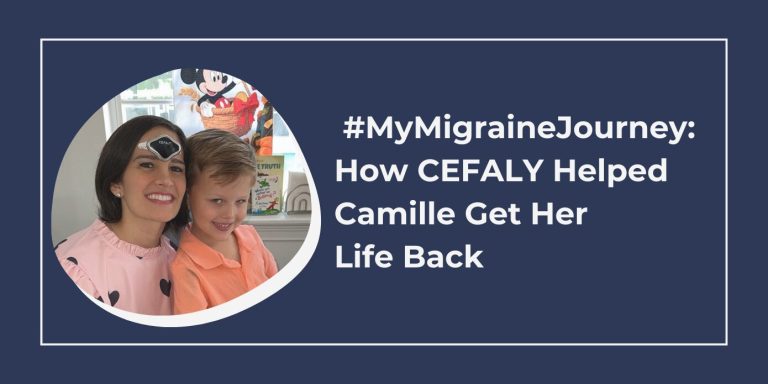
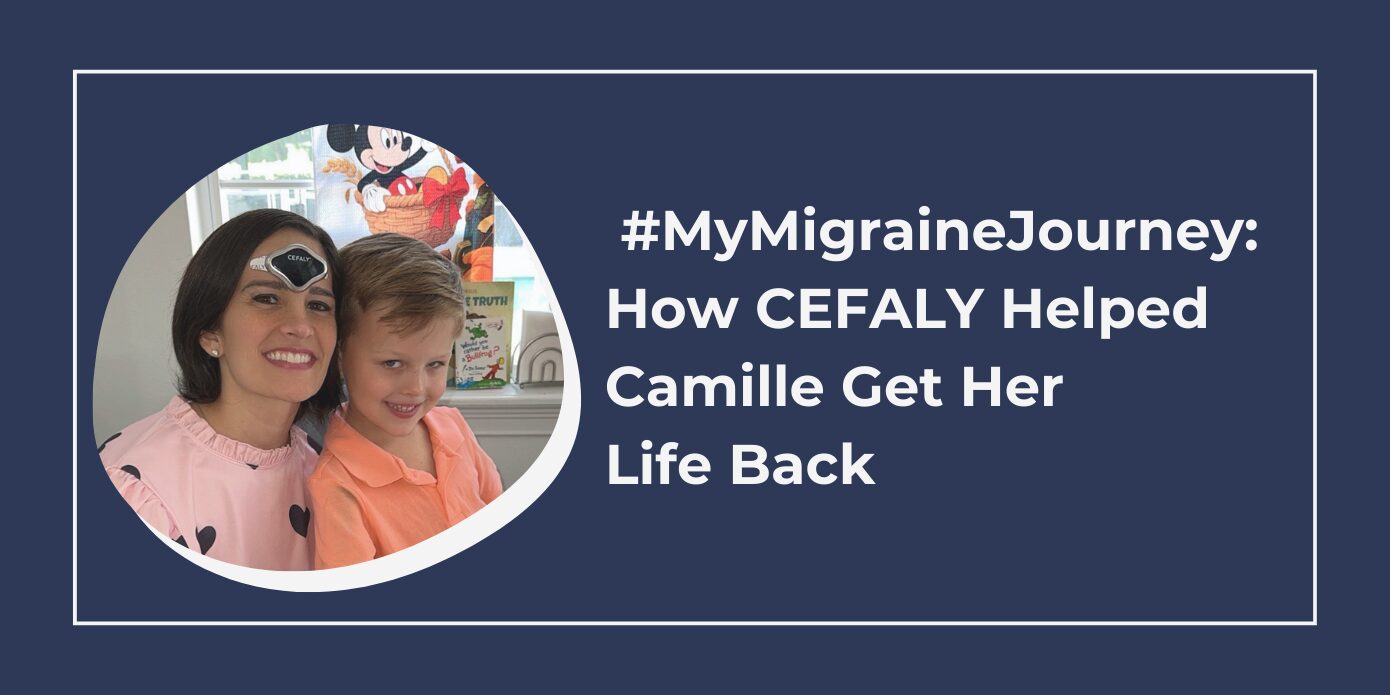
“CEFALY Gave Me My Life Back”: Camille’s Search for a Drug-Free Migraine Treatment
I've lived with migraine since my second pregnancy with my daughter. That pregnancy marked the beginning of my…
What Patients Need to Know About Episodic Migraine vs. Chronic Migraine
While official definitions classify episodic migraine as fewer than 15 headache days per month and chronic migraine as…