




How College Students Can Prevent and Take Care of Migraine
People say your college years are some of the best years of your life. This is a season of learning about the world and yourself while making fun memories with friends. But if you are living with migraine, learning and having fun become challenging. A migraine attack can put most of your life on hold for hours or even days.
With the right tools, you can find relief and cope with migraine episodes. To find the right tools for you, you need to gather the right information.
This guide will help you understand and manage migraine in college.
How many college students suffer from migraine?
If you suffer from migraine, you're not alone. A recent systematic review found that 16% of students worldwide experience migraine. Women are up to three times more likely to experience migraine than men. Women's migraine patterns often map with their menstrual cycles when estrogen levels drop.
College students and migraine triggers
There are many different causes of migraine attacks among college students. Some people may inherit a greater migraine risk from their parents. This could suggest a genetic component. Environmental and health factors can also trigger migraine attacks:
- Withdrawal: Changing your intake of an addictive substance like caffeine could trigger migraine. Withdrawal from nicotine, alcohol or some drugs can have similar effects. Excessive consumption of these substances can increase your migraine risk. Avoid them or consume them in moderation.
- Lack of sleep: Sleep deprivation or sleep schedule disruptions may trigger migraine. Late-night studying or partying sometimes impairs sleep and puts students at risk. Aim for consistent sleep patterns and extra rest when you need it.
- Dehydration: Dehydration may trigger migraine in some cases. Ensure you drink enough water. Drink extra during summer, around workouts or when consuming caffeine or alcohol. Increasing electrolytes may help with hydration, too.
- Nutritional factors: Hunger or insufficient nutrition could trigger a migraine attack. Ensure you are eating healthy, balanced meals at regular intervals.
- Screen time: Excessive time looking at device screens can trigger migraine. Students relying on extended screen time for studies and entertainment are vulnerable. Give your eyes a break whenever you can.
- Sensory overload: People who experience migraine should be cautious of sensory overload. Loud sounds, bright lights or intense odors could trigger an attack.

Preventing migraine attacks at college
To prevent migraine attacks, it helps to be in tune with your body and see them coming. Many students who experience migraine know common migraine warning signs such as:
- Mood changes
- Sudden cravings
- Neck stiffness
- Increased thirst
- Bostezos frecuentes
If you experience symptoms of an oncoming migraine episode, take precautions to help avoid or mitigate it:
- Drink water.
- Eat a nutritious meal.
- Sleep as much as you can.
- Avoid screens.
- Avoid strong smells and harsh lighting.
- Take a pain reliever and/or anti-nausea medication.
You can also work on daily habits to help reduce your chances of migraine attacks. For example, do regular aerobic exercise to reduce tension and improve your health. Working toward consistent, healthy eating and sleep patterns can go a long way, too. People with healthy habits can still experience migraine, but small positive changes can add up to reduce migraine frequency and severity.




Migraine management for college students
If you a migraine does hit, you can try a few home remedies:
- Address any triggers within your control, such as harsh light, hunger, thirst or lack of sleep.
- Diffuse a calming essential oil to help soothe your body. Stop immediately if the smell bothers you.
- Apply a heating pad or ice pack to your forehead and temples for 15-minute sessions. Take 15-minute breaks between sessions.
- Take a bath or shower to help you relax as much as possible. A neck massage can also help with muscle relaxation.
If your migraine persists, consult a doctor for professional help. The doctor may prescribe triptans to constrict blood vessels or beta-blockers for prevention. Other migraine medications include dihydroergotamine and lasmiditan. They may also recommend a neurological evaluation. In severe cases, a neurologist may recommend an MRI or CT scan to look for underlying causes.
As a long-term strategy, journal about your migraine episodes. Track any factors that could influence them, like food, sleep or even the weather. Look for patterns over time to help inform your migraine management plan.
College accommodations for migraine
Your college wants you to succeed. If suffering from migraine is holding you back, many schools will try to accommodate you.
Ask the office in charge of accessibility what migraine accommodations they have. If they lack the accommodations you need, help them understand what's necessary. Have a letter from your doctor supporting your claim to need these measures.
College accommodations for students experiencing migraine include:
- Online or hybrid class attendance.
- Accommodations for photophobia and photosensitivity.
- Deadline extensions or alternative exam dates subject to notice.
- Adapted writing time for tests, exams and assignments.
- Oral or dictation testing when necessary to limit visual strain.
- Permission to eat and drink in class if necessary.
- Provision to exit venues to take acute medications and rest when necessary.
- Disability transportation services for travel between classes.
- Single-room on-campus housing without a roommate.
- Facilitating total darkness in your dorm room.
- Dorm room climate control.
- Ground floor room allocation.
Your college's Disability Services program will likely accommodate you at no extra cost. You may need your doctor's diagnostic letter or other supporting documentation to qualify.
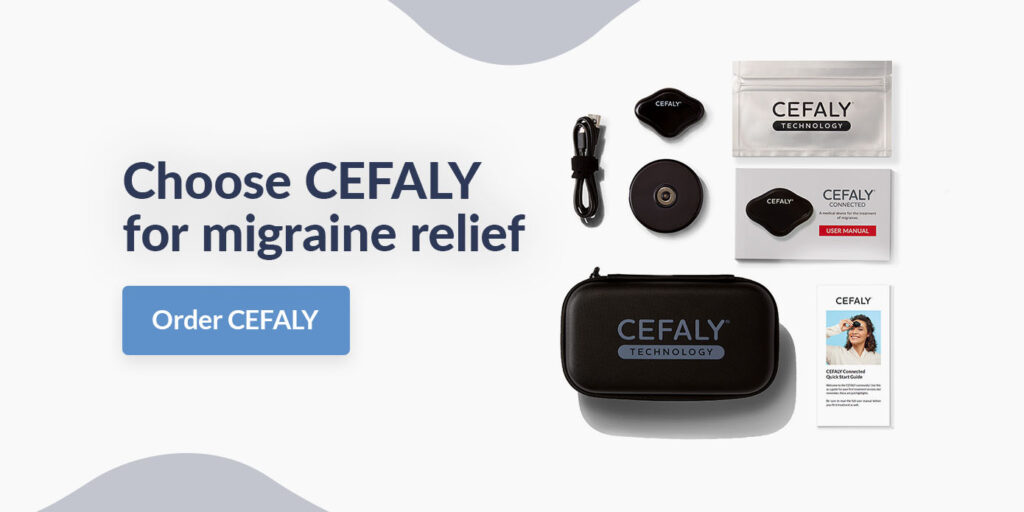
Choose CEFALY for migraine relief
You may already have tried some of the tips in this article but still find migraine impacting your college experience, or you may have concerns about the potential side effects of prescription medications. For a drug-free treatment proven to relieve acute migraine attacks and help prevent future episodes, try CEFALY.
CEFALY is a drug-free, FDA-cleared migraine solution. It requires no prescription and is safe to use alongside other treatments. The treatment device offers ACUTE and PREVENT settings to relieve or prevent migraine. Apply the electrode to your forehead, connect CEFALY and press a button. That's all it takes to start your treatment.
CEFALY works by stimulating the trigeminal nerve with a precision-targeted current. One hour of CEFALY ACUTE treatment significantly reduces pain in 79% of people experiencing migraine. That means CEFALY could be the solution you need to reclaim more of your college days for learning and fun. Try it for 90 days with a money-back guarantee and find out for yourself.
Contact us to learn more if you have any questions. Get your CEFALY Connected treatment device to relieve migraine.




Últimas publicaciones

La guía esencial de dispositivos médicos para la migraña
CEFALY is an FDA-cleared medical device that targets the main pathway for migraine pain: the trigeminal nerve (the…

“CEFALY Gave Me My Life Back”: Camille’s Search for a Drug-Free Migraine Treatment
I've lived with migraine since my second pregnancy with my daughter. That pregnancy marked the beginning of my…

What Patients Need to Know About Episodic Migraine vs. Chronic Migraine
While official definitions classify episodic migraine as fewer than 15 headache days per month and chronic migraine as…